

Introduction
Robots are no longer limited to factories or science fiction movies. Today, they are becoming an important part of daily life, helping people at home, in hospitals, schools, offices, and even on farms. From robotic vacuum cleaners that keep floors clean to advanced surgical robots that assist doctors during complex procedures, technology is making everyday tasks easier, faster, and more accurate. As innovation continues to grow, the influence of robotics is expanding into nearly every industry.
Understanding how robots are changing everyday life is important for beginners and intermediate learners because it highlights how technology is improving convenience, productivity, and safety. Robots can perform repetitive tasks, assist people with disabilities, support emergency responders, and help businesses operate more efficiently. At the same time, they create new opportunities for learning, careers, and innovation.
Although some people worry that robots may replace human jobs, they are more often designed to work alongside people rather than replace them completely. Human creativity, critical thinking, and emotional intelligence remain essential in many professions. As robots become more intelligent and affordable, they will continue to transform the way people live and work.
This guide explores how robots are changing everyday life, why robotics matters, practical examples of their use, benefits, challenges, common mistakes, frequently asked questions, and expert insights for understanding this exciting technology.
What Is How Robots Are Changing Everyday Life?
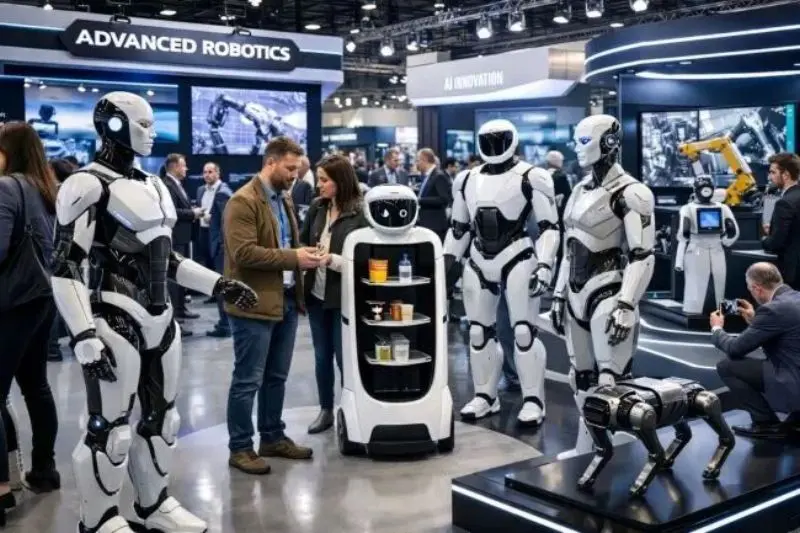
The phrase how robots are changing everyday life refers to the growing impact of robotic technology on daily activities. Robots are programmable machines designed to perform tasks automatically or with minimal human involvement.
Modern robots come in different forms, including:
- Household robots
- Industrial robots
- Medical robots
- Agricultural robots
- Educational robots
- Service robots
- Delivery robots
Unlike traditional machines, many modern robots use sensors, cameras, and intelligent software to understand their surroundings and respond accordingly. They can navigate rooms, recognize objects, monitor conditions, and complete complex tasks with impressive accuracy.
As robotics technology advances, robots are becoming more affordable and accessible, making them useful for individuals, businesses, healthcare providers, and governments.
Why Is How Robots Are Changing Everyday Life Important?
Robotics has become important because it solves problems that were once difficult, expensive, or dangerous for humans.
Here are several reasons why robotics matters:
- Improves productivity by completing repetitive work quickly.
- Enhances safety by handling hazardous environments.
- Supports healthcare through precision and accuracy.
- Assists elderly and disabled individuals.
- Reduces human errors in manufacturing.
- Saves time in everyday household activities.
- Encourages innovation across industries.
- Creates new career opportunities in engineering and technology.
As populations grow and businesses seek greater efficiency, robots are becoming valuable partners rather than simple tools.
Detailed Step-by-Step Guide
Step 1: Understanding Different Types of Robots
Before exploring their impact, learn about the main categories.
Industrial Robots
These robots assemble cars, electronics, and machinery with high precision.
Domestic Robots
Examples include robotic vacuum cleaners, lawn mowers, and window-cleaning robots.
Medical Robots
Doctors use robotic systems during surgeries for better precision and faster recovery.
Service Robots
These robots assist customers in hotels, restaurants, airports, and shopping centers.
Agricultural Robots
Farmers use robots for planting, harvesting, spraying crops, and monitoring soil health.
Step 2: See How Robots Help at Home
Many households already benefit from robotics.
Examples include:
- Cleaning floors automatically.
- Mowing lawns.
- Monitoring home security.
- Assisting elderly family members.
- Controlling smart home devices.
These robots reduce repetitive chores, allowing families to spend more time on meaningful activities.
Step 3: Understand Robotics in Healthcare
Healthcare has experienced major improvements because of robotics.
Medical robots help with:
- Minimally invasive surgeries.
- Rehabilitation therapy.
- Patient monitoring.
- Medicine delivery.
- Laboratory testing.
Doctors gain better precision while patients often recover more quickly.
Step 4: Explore Robots in Education
Schools increasingly use robotics for practical learning.
Students develop skills such as:
- Programming
- Problem-solving
- Engineering design
- Team collaboration
- Logical thinking
Educational robots make science and technology lessons more engaging and interactive.
Step 5: Observe Robots in the Workplace
Businesses use robots to improve efficiency.
Common workplace applications include:
- Warehouse automation.
- Inventory management.
- Product packaging.
- Quality inspection.
- Customer assistance.
Rather than replacing every worker, robots often perform repetitive tasks while employees focus on decision-making and creativity.
Step 6: Learn About Delivery Robots
Online shopping has increased demand for faster deliveries.
Delivery robots can transport:
- Groceries
- Medicines
- Food orders
- Small packages
Some companies also use drones for deliveries in selected locations.
Step 7: Discover Agricultural Robotics
Modern farming depends increasingly on automation.
Robots help farmers by:
- Planting seeds accurately.
- Detecting plant diseases.
- Monitoring crop growth.
- Harvesting fruits.
- Reducing water waste.
This improves food production while lowering operating costs.
Step 8: Prepare for the Future
The future of robotics looks promising.
Emerging developments include:
- Smarter home assistants.
- Self-driving transportation.
- Advanced healthcare support.
- Disaster response robots.
- Space exploration robots.
Learning robotics today prepares individuals for tomorrow’s technology-driven world.
Benefits of How Robots Are Changing Everyday Life
- Saves valuable time by automating routine tasks.
- Improves workplace productivity.
- Reduces human error.
- Increases safety in dangerous jobs.
- Supports elderly and disabled individuals.
- Enhances medical treatments.
- Improves manufacturing quality.
- Helps farmers produce more food efficiently.
- Creates new technology careers.
- Encourages innovation across industries.
- Provides better customer service.
- Makes education more interactive.
Disadvantages / Risks
- High purchasing and maintenance costs.
- Possible job displacement in certain industries.
- Dependence on technology.
- Cybersecurity concerns.
- Limited emotional understanding.
- Technical failures may interrupt operations.
- Requires skilled professionals for maintenance.
- Privacy concerns when robots collect personal data.
- Not suitable for every task.
- Initial training can be expensive.
Common Mistakes to Avoid
Many people misunderstand robotics. Avoid these common mistakes:
Ignoring Human Skills
Robots complement human abilities but cannot replace creativity, empathy, and leadership.
Expecting Instant Results
Implementing robotics requires planning, testing, and training.
Choosing the Wrong Robot
Different tasks require different robotic systems. Selecting the right solution is essential.
Neglecting Maintenance
Regular software updates and maintenance keep robots functioning effectively.
Ignoring Security
Robots connected to networks should have strong cybersecurity protection.
Avoiding Continuous Learning
Robotics evolves rapidly. Staying informed helps individuals and businesses maximize its benefits.
FAQs
What are robots?
Robots are programmable machines designed to perform tasks automatically or with limited human control. They may use sensors, cameras, and software to interact with their surroundings.
How are robots changing everyday life?
Robots simplify household chores, improve healthcare, support education, automate manufacturing, assist agriculture, and enhance customer service, making daily activities more efficient and convenient.
Will robots replace all human jobs?
No. While robots automate repetitive tasks, many careers still require creativity, communication, leadership, and emotional intelligence that machines cannot fully replicate.
Are robots safe?
Most modern robots include multiple safety features. However, proper maintenance, training, and responsible operation remain essential for safe use.
Can students learn robotics easily?
Yes. Many beginner-friendly robotics kits and educational programs make learning robotics enjoyable for students of all ages.
What industries benefit most from robotics?
Manufacturing, healthcare, agriculture, logistics, education, retail, construction, hospitality, and transportation all benefit significantly from robotic technology.
Expert Tips & Bonus Points
Understanding how robots are changing everyday life becomes easier when you focus on practical applications instead of complicated technical details.
Here are several expert recommendations:
- Start learning basic robotics concepts before advanced programming.
- Explore affordable educational robotics kits.
- Learn simple coding languages used in robotics.
- Stay updated with new technology trends.
- Develop problem-solving skills alongside technical knowledge.
- Understand ethical issues involving robotics.
- Practice using automation tools whenever possible.
- Remember that robots work best when combined with human expertise.
- Build curiosity by observing robotics in everyday environments.
- Consider careers in robotics engineering, maintenance, software development, healthcare technology, or industrial automation.
One valuable lesson is that successful robotics adoption depends on balancing technology with human judgment. Organizations that invest in employee training often achieve better results than those relying solely on automation. As robotics continues to evolve, adaptability and continuous learning will become essential skills for both professionals and students.
Conclusion
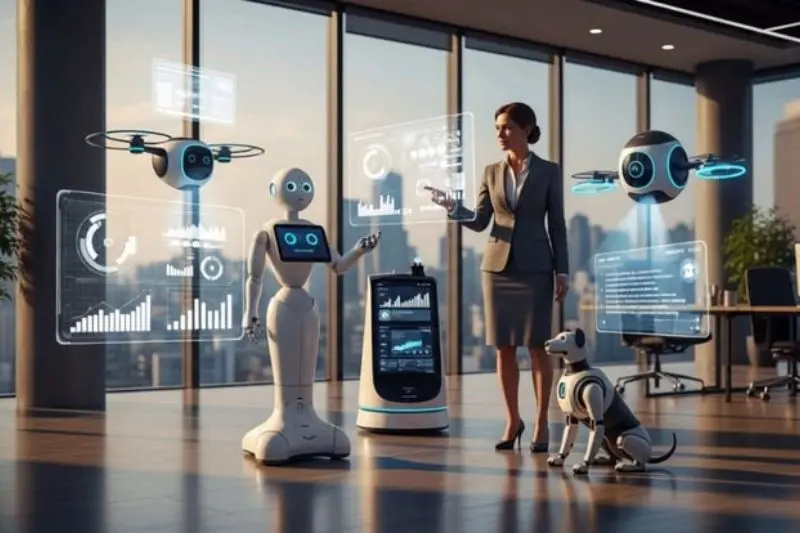
The rapid growth of robotics is transforming nearly every aspect of modern life. From smart homes and hospitals to farms, schools, and workplaces, robots are making daily activities safer, faster, and more efficient. Understanding how robots are changing everyday life helps people appreciate both the opportunities and challenges that come with technological advancement.
Although robotics introduces concerns such as job displacement, cybersecurity risks, and implementation costs, its advantages often outweigh these challenges when used responsibly. Robots excel at repetitive, dangerous, and highly precise tasks, allowing humans to focus on creativity, decision-making, communication, and innovation. This partnership between people and machines is shaping a more productive future.
For beginners and intermediate learners, now is an excellent time to explore robotics. Learning basic programming, understanding automation, and staying informed about new developments can open doors to exciting careers and practical opportunities. As technology continues to advance, robots will become even more integrated into everyday life, improving healthcare, education, transportation, agriculture, and countless other industries.
By embracing continuous learning and understanding the role of robotics, individuals and businesses can confidently prepare for a future where humans and intelligent machines work together to create smarter, safer, and more efficient communities.