
Introduction
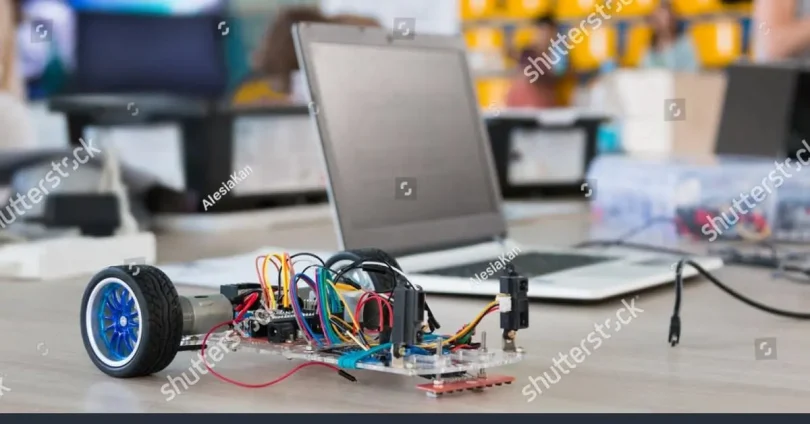
Robotics has become one of the most exciting fields for learners of all ages. Whether you are a student, hobbyist, parent, or educator, getting started with robotics is easier than ever thanks to beginner-friendly kits. The best robotics kits for beginners provide everything needed to build, program, and experiment with real robots while learning valuable STEM skills. These kits combine electronics, mechanics, and coding into engaging hands-on projects that make learning both enjoyable and practical.
Today’s robotics kits are designed for different skill levels. Some focus on simple drag-and-drop programming, while others introduce text-based coding languages like Python or C++. Many include sensors, motors, controllers, and detailed instructions that help beginners understand robotics step by step.
Choosing the right kit can be challenging because there are so many options available. Factors such as age, budget, programming language, expandability, and educational goals all play important roles in making the best decision.
This guide explores the best robotics kits for beginners, explains what makes a good starter kit, highlights their benefits and limitations, and shares practical tips for selecting the perfect option. By the end, you’ll feel confident choosing a robotics kit that matches your interests and learning objectives.
What Are the Best Robotics Kits for Beginners?
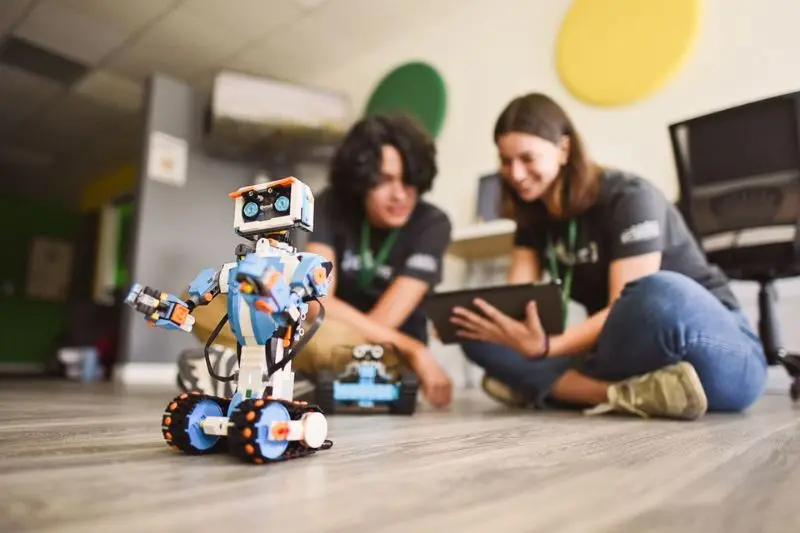
The best robotics kits for beginners are educational packages that include components required to build and program simple robots. Most beginner kits contain:
- Microcontroller board
- Motors
- Wheels or mechanical parts
- Sensors
- Connecting wires
- Battery pack
- Programming software
- Assembly guide
Some premium kits also include Bluetooth or Wi-Fi connectivity, cameras, robotic arms, and expansion modules for advanced projects.
These kits allow beginners to learn robotics through practical experience instead of only reading theory. Building and programming robots helps users understand engineering concepts while developing creativity and logical thinking.
Why Are Robotics Kits Important?
Robotics education is becoming increasingly valuable in today’s technology-driven world. Learning robotics introduces students and hobbyists to skills that are useful in many careers.
Some important reasons include:
- Builds problem-solving abilities
- Improves logical thinking
- Encourages creativity
- Develops programming knowledge
- Teaches engineering basics
- Supports STEM education
- Enhances teamwork during group projects
- Makes learning interactive and enjoyable
Many schools now include robotics clubs because practical learning often produces better results than classroom lectures alone.
Detailed Step-by-Step Guide
Step 1: Identify Your Learning Goals
Start by asking yourself why you want a robotics kit.
Possible goals include:
- Learning coding
- Building robots for fun
- School competitions
- STEM education
- Preparing for engineering studies
Knowing your objective helps narrow your options.
Step 2: Choose an Age-Appropriate Kit
Manufacturers usually recommend an age range.
For younger children:
- Simple assembly
- Visual programming
- Colorful instructions
For teenagers and adults:
- Advanced programming
- Electronic circuit design
- Expandable hardware
- Multiple sensors
Selecting a suitable difficulty level keeps learning enjoyable.
Step 3: Check Programming Options
Programming is one of the most important aspects of robotics.
Common choices include:
- Block-based programming
- Scratch
- Python
- Arduino IDE
- C++
Beginners often find drag-and-drop programming easier before transitioning to coding languages.
Step 4: Evaluate Included Components
A quality robotics kit should include useful hardware.
Look for:
- DC motors
- Servo motors
- Ultrasonic sensors
- Line-following sensors
- LEDs
- Buzzers
- Breadboards
- Controller board
- USB cable
The more components included, the greater the learning opportunities.
Step 5: Consider Expandability
The best robotics kits for beginners should allow future upgrades.
Expandable kits let users add:
- Additional sensors
- Robotic arms
- Bluetooth modules
- Wi-Fi modules
- Cameras
- GPS modules
This keeps the kit useful even after mastering basic projects.
Step 6: Compare Build Quality
Durability matters because beginners often assemble and disassemble robots many times.
Look for:
- Strong plastic parts
- Metal frames
- Reliable connectors
- Quality motors
- Clear wiring labels
Well-made kits last much longer.
Step 7: Review Learning Resources
Good documentation makes learning much easier.
Choose kits with:
- Step-by-step manuals
- Video tutorials
- Sample programs
- Online community
- Technical support
Learning resources reduce frustration during assembly and programming.
Popular Beginner Robotics Kit Types
Different kits serve different purposes.
Arduino-Based Kits
Ideal for beginners interested in electronics and programming.
Advantages include:
- Huge online community
- Affordable components
- Countless tutorials
LEGO Robotics Kits
Excellent for younger learners.
Features include:
- Easy assembly
- Visual coding
- Creative building options
Raspberry Pi Robotics Kits
Perfect for users wanting more computing power.
Common uses include:
- Computer vision
- AI projects
- Home automation
Educational STEM Kits
Designed specifically for classrooms and beginners.
Usually include:
- Structured lessons
- Guided experiments
- Teacher resources
Benefits of Best Robotics Kits for Beginners
- Develop programming skills through practical projects.
- Improve creativity and innovation.
- Strengthen critical thinking.
- Encourage teamwork and collaboration.
- Build engineering knowledge.
- Increase confidence through successful projects.
- Make STEM learning more engaging.
- Introduce electronics in a simple way.
- Prepare students for future careers.
- Offer enjoyable hands-on learning experiences.
Disadvantages and Risks
- Some kits can be expensive.
- Advanced kits may overwhelm beginners.
- Missing components may delay projects.
- Programming requires patience.
- Cheap kits may use low-quality parts.
- Batteries require regular replacement or charging.
- Small parts should be kept away from young children.
- Software installation can sometimes be challenging.
Understanding these limitations helps buyers choose wisely.
Common Mistakes to Avoid
Many beginners make avoidable errors when purchasing their first robotics kit.
One common mistake is buying an advanced kit without basic knowledge. Starting with simple projects builds confidence and creates a stronger foundation.
Another mistake is ignoring software compatibility. Always confirm that the programming software supports your operating system.
Some buyers focus only on price. The cheapest option isn’t always the best value if important components are missing.
Skipping the instruction manual can also slow progress. Reading the guide carefully saves time during assembly.
Finally, avoid rushing through projects. Experimenting patiently leads to a better understanding of robotics concepts.
FAQs
What is the best robotics kit for complete beginners?
A beginner-friendly kit with clear instructions, simple programming software, and basic sensors is usually the best starting point.
Do I need coding experience?
No. Many beginner kits use drag-and-drop programming before introducing text-based coding.
Which programming language should I learn first?
Scratch is excellent for beginners, while Python is a popular next step because of its readability and wide use.
Are robotics kits suitable for adults?
Yes. Many adults use robotics kits to learn programming, electronics, automation, and engineering fundamentals.
Can robotics kits help with STEM education?
Absolutely. Robotics combines science, technology, engineering, and mathematics into practical projects that improve understanding.
How much should I spend on my first robotics kit?
A mid-range kit usually provides the best balance between affordability, quality, and expandability. Investing slightly more often results in better learning resources and longer-lasting components.
Expert Tips & Bonus Points
Choose a kit that offers room for growth rather than one that can only complete a few projects. Expandable platforms allow continuous learning as your skills improve.
Join online robotics communities where beginners share ideas, troubleshooting advice, and project inspiration. Learning from others can significantly shorten the learning curve.
Practice regularly instead of trying to complete many projects in one sitting. Small, consistent sessions build stronger programming and engineering skills.
Document your projects by taking notes and photos. Reviewing previous builds helps identify mistakes and improves future designs.
Experiment beyond the instruction manual once you gain confidence. Try modifying code, adding sensors, or redesigning the robot to encourage creativity.
Keep your components organized in labeled containers to prevent losing small parts and make future projects easier to assemble.
Finally, remember that mistakes are a natural part of learning robotics. Every programming error or wiring issue provides an opportunity to understand how robots work more deeply.
Conclusion
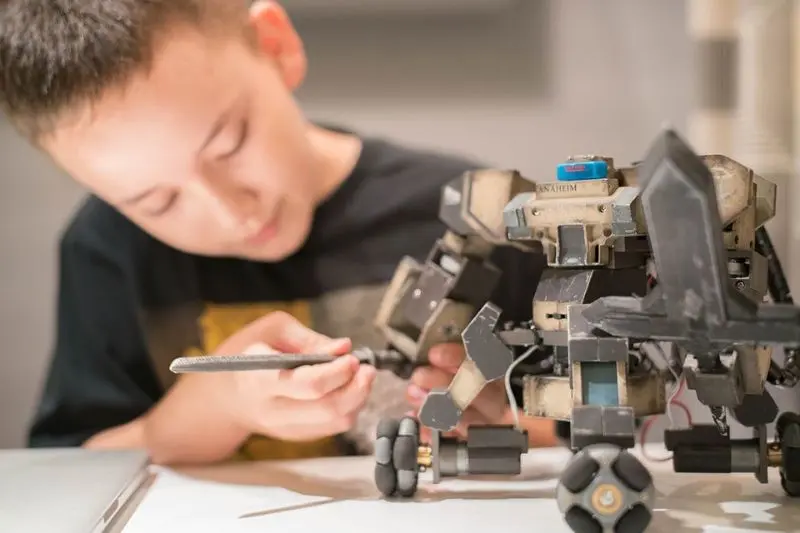
The best robotics kits for beginners offer an exciting introduction to programming, electronics, engineering, and creative problem-solving. Rather than simply teaching theory, these kits encourage hands-on learning through building, testing, and improving real robotic projects. From simple educational kits for children to more advanced platforms for teens and adults, there is an option available for every learning style and budget.
When selecting your first robotics kit, consider your goals, programming preferences, included components, build quality, and opportunities for future expansion. A well-chosen kit can remain useful for years as your skills continue to grow.
Robotics is more than just assembling parts—it develops logical thinking, patience, creativity, and technical confidence. Whether your goal is exploring a new hobby, preparing for a technology career, or supporting STEM education, investing in the right beginner robotics kit is an excellent first step. With regular practice, curiosity, and persistence, you’ll soon be creating projects that showcase both your technical skills and your imagination.