
Introduction
Raytheon Technologies robotics solutions bring together robotics, automation, artificial intelligence, sensors, computer vision, and advanced manufacturing technologies to support aerospace and defense operations. Although the company is now known as RTX, after changing its name from Raytheon Technologies in 2023, robotics and autonomous technologies remain part of its broader technology ecosystem.
For someone researching Raytheon’s robotics capabilities, the important point is that the company does not operate around one single consumer-style robot product. Instead, robotics is used across manufacturing, research, automation, sensing, autonomous systems, and defense applications.
Raytheon has been involved with robotics for years. Its work has included industrial robotics and automated manufacturing as well as research into autonomous platforms and AI-enabled systems. Current Raytheon roles and technology programs show continued use of robotics, programmable logic controllers (PLCs), machine vision, sensors, motion systems, and automated production equipment.
What Are Raytheon Technologies Robotics Solutions?
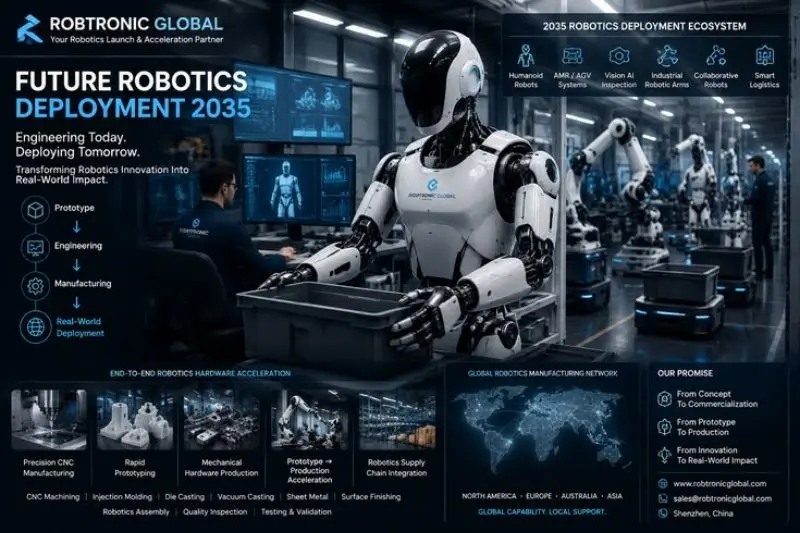
Raytheon Technologies robotics solutions refer broadly to the robotics, automation, autonomy, and intelligent manufacturing technologies developed or used within the company’s aerospace and defense operations.
These technologies can include:
- Industrial robotic systems
- Automated manufacturing equipment
- Robotic vision systems
- Sensors and actuators
- Motion-control platforms
- AI and machine learning
- Autonomous systems
- Automated inspection and testing
- Robotic material movement
- Advanced manufacturing systems
- Computer vision
- Drone and counter-drone technologies
The technology is primarily designed around complex aerospace and defense requirements, rather than ordinary commercial robotics.
For example, Raytheon job descriptions currently reference the integration of robotics, PLCs, vision systems, sensors, actuators, servos, and other automation technologies into manufacturing environments.
How Raytheon Uses Robotics in Manufacturing
One of the clearest applications of robotics at Raytheon is advanced manufacturing.
Aerospace and defense products require highly controlled manufacturing processes. Many components need precise positioning, inspection, machining, assembly, testing, and finishing. Robotics can help automate these processes while allowing engineers to monitor and improve production.
Raytheon’s automation work includes robotic equipment combined with:
- PLC-based control systems
- Industrial sensors
- Computer vision
- Automated inspection
- Motion platforms
- Manufacturing software
- CNC equipment
- Process-monitoring systems
Current engineering positions at Raytheon describe work involving custom robotic equipment used inside factories, including programming robotics, PLCs, and vision systems to improve production automation.
This means robotics is not simply an isolated technology. It is connected to the entire manufacturing system.
Industrial Robotics and Automation
Industrial robotics can perform repetitive or highly precise tasks that would otherwise require significant manual effort.
Raytheon’s manufacturing research and engineering activities have included industrial robots, motion platforms, process equipment, and automated workflows. One current research role specifically describes the development and deployment of advanced manufacturing equipment involving industrial robotics and motion platforms.
Depending on the application, industrial robots may be used for processes such as:
- Assembly
- Inspection
- Welding
- Cutting
- Deburring
- Finishing
- Material handling
- Automated testing
- Manufacturing process monitoring
The value comes from integrating the robot with sensors, software, control systems, and manufacturing equipment rather than simply installing a robotic arm.
Robotics, AI, and Autonomous Systems
Another important part of Raytheon’s technology strategy is the connection between robotics and artificial intelligence.
An autonomous system can use sensors and software to perceive its environment, process information, and make decisions with reduced human intervention.
Raytheon Technologies has previously invested in autonomy-focused companies. In 2022, RTX Ventures invested in EpiSci, an autonomous-solutions company developing Tactical AI technology for defense applications.
This broader focus is important because modern defense robotics increasingly depends on software intelligence rather than mechanical capability alone.
A robotic or autonomous platform may need to:
- Collect information through sensors.
- Process that information.
- Identify objects or potential threats.
- Determine an appropriate response.
- Communicate with other systems.
- Execute an action.
- Continue monitoring its environment.
That combination of sensing, computation, communications, and physical action is what makes autonomous robotics particularly valuable in aerospace and defense.
Raytheon Robotics and Computer Vision
Computer vision is another important component of Raytheon’s automation systems.
A vision system allows machines to interpret information captured through cameras or other sensors. In manufacturing, this can support inspection, positioning, quality control, and process monitoring.
Raytheon’s automation engineering roles reference vision systems alongside robotics and PLCs.
For example, a robotic manufacturing cell could use:
Camera → Image Processing → Decision → Robot Movement → Inspection
This approach allows robotic equipment to respond to what it detects rather than simply following a fixed sequence.
Robotics in Defense Applications
Robotics in defense is broader than factory automation.
Modern defense systems increasingly use unmanned and autonomous technologies to improve situational awareness, reduce risks to personnel, and respond to rapidly changing threats.
Raytheon’s current defense portfolio includes technologies involving unmanned systems and counter-unmanned aircraft systems. In February 2026, Raytheon announced a demonstration of its Coyote Block 3 Non-Kinetic system against drone swarms during a U.S. Army exercise.
Raytheon was also selected by DARPA to develop an advanced sensing and targeting system intended to protect vulnerable vessels from emerging maritime threats, including unmanned surface vehicles. The project combines EO/IR sensors, detection software, and command-and-control capabilities.
These systems show how robotics and autonomy increasingly overlap with sensing, AI, communications, and defense decision-making.
Why Robotics Matters to Raytheon
Robotics can provide several practical advantages in aerospace and defense manufacturing and operations.
Greater Precision
Robotic systems can perform highly controlled movements and repeat processes consistently.
Automation of Repetitive Work
Manufacturing processes that involve repetitive movements can be automated, allowing engineers and operators to focus on higher-value tasks.
Improved Production Monitoring
When robotics are connected to sensors and vision systems, manufacturers can collect more information about the production process.
Advanced Manufacturing
Robotic systems can support newer manufacturing techniques, including automated material processing and additive manufacturing.
Safer Operations
Some tasks may involve hazardous environments or processes. Automation can reduce the amount of direct human involvement where appropriate.
Better Integration
Modern robotics can connect mechanical equipment with software, sensors, control systems, and data platforms, creating a more integrated manufacturing environment.
The Role of Robotics in Raytheon’s Factory Automation
Raytheon’s factory automation work illustrates how robotics fits into a larger Industry 4.0 approach.
Industry 4.0 generally refers to the use of connected machines, automation, sensors, software, analytics, and digital systems to modernize manufacturing.
Raytheon Technologies has previously described the use of automation, robotics, connected devices, and other Industry 4.0 technologies within its manufacturing operations.
The objective is not simply to replace people with robots. Instead, the goal is to create manufacturing systems in which people, machines, software, and data work together.
That distinction matters when evaluating Raytheon’s robotics solutions. Robotics is one component of a much larger engineering and manufacturing ecosystem.
Advanced Robotics and Automation at Raytheon
Raytheon’s robotics capabilities are becoming increasingly connected to advanced manufacturing, automated testing, artificial intelligence, and autonomous systems. Current RTX information shows that robotics is being used not only on production lines but also in facilities designed to accelerate the development and testing of aerospace and defense technologies. (RTX)
Large-Scale Robotic Automation
One of the clearest examples is Raytheon’s large-scale automation factory in Tucson, Arizona. The facility uses robotics and automation to test missile components under demanding environmental conditions. According to RTX, the automated system can test hundreds of types of missile components and increase testing output by 30% compared with manual methods. (RTX)
This demonstrates an important shift in aerospace manufacturing. Instead of using robotics only for simple repetitive tasks, Raytheon is integrating automated machinery into sophisticated testing workflows.
The robotic system can move components through testing environments where they may be exposed to conditions such as:
- Extreme heat
- Extreme cold
- Mechanical stresses
- Other environmental conditions
- Automated test sequences
The purpose is to make testing faster while maintaining the level of precision required for defense systems.
Robotics Working Alongside Engineers
Modern Raytheon automation is not simply about replacing human workers with machines. A major focus is human-machine collaboration.
RTX describes manufacturing initiatives in which robots work alongside skilled operators. For example, RTX-backed manufacturing company Hadrian uses robots and software-defined production systems to automate manufacturing processes while human workers remain responsible for engineering, supervision, and specialized production activities. (RTX)
This model has several advantages. Robots can handle repetitive and highly consistent physical operations, while engineers can concentrate on:
- Production planning
- Quality decisions
- System troubleshooting
- Process improvement
- Engineering analysis
- Complex manufacturing problems
The result is a manufacturing environment where robotics becomes a tool that extends human capability rather than functioning independently of people.
Robotics and Digital Manufacturing
Raytheon’s robotics strategy also connects with the broader concept of digital manufacturing.
A modern automated factory can connect robotic equipment with software, sensors, production data, digital models, and engineering systems. This creates a digital thread through which information can move between design, manufacturing, inspection, and testing.
RTX’s Technology Research Center identifies model-based digital thread, advanced manufacturing, artificial intelligence systems, and collaborative autonomy among its research areas.
This connection is important because a robot becomes considerably more useful when it can receive digital instructions and provide production data back to engineers.
For example:
Digital Design → Manufacturing Software → Automated Equipment → Robotics → Inspection → Production Data
This type of workflow can help manufacturers identify problems earlier and make production processes more adaptable.
Robotics and Autonomous Systems
Raytheon’s robotics work also overlaps with autonomous systems.
Autonomy involves allowing a system to perform tasks with reduced human intervention. RTX research specifically includes AI systems and collaborative autonomy, while its government contracting capabilities include operations, development, systems integration, and support for manned, unmanned, optionally manned platforms and robotics.
In practical terms, an autonomous system may combine:
- Sensors
- Artificial intelligence
- Computer vision
- Communications
- Navigation
- Decision-making software
- Mechanical systems
The combination allows a platform to perceive its environment and respond to changing conditions.
That is significantly different from a traditional industrial robot that simply repeats a predefined movement.
Robotics in Aerospace Manufacturing
Aerospace manufacturing demands extremely high levels of precision. Small manufacturing errors can affect the performance, reliability, or safety of a complex system.
Robotics can therefore be valuable for tasks where repeatability matters.
Raytheon has demonstrated this approach in the production of advanced radar systems. Its Advanced Technology organization has used a large robotic arm to handle components involved in building the Navy’s SPY-6 radar. RTX described the robotic arm as extending approximately 25 feet above the production line and carefully positioning heavy components. (RTX)
This type of application shows why industrial robotics is useful in aerospace:
Heavy components + precise positioning + repeatability + controlled production = strong robotics use case.
Robots can perform movements that would be difficult, slow, or physically demanding for workers to repeat throughout a production process.
The Future of Raytheon Robotics Solutions
Raytheon’s future robotics capabilities are likely to become increasingly connected with AI, automation, digital engineering, and advanced manufacturing.
RTX says it invested more than $2 billion in U.S. factories and facilities during 2025, including investments in automation and robotics. The company also says it operates more than 100 U.S. manufacturing sites.
At the same time, RTX Ventures is investing in manufacturing companies developing new approaches to automation. Its 2026 discussion of Hadrian, Fabri, and Axilon highlights robotics, AI, 3D printing, digital manufacturing, and predictive technologies as tools for increasing manufacturing capacity and reducing bottlenecks.
This suggests that robotics is becoming part of a much larger transformation rather than a standalone technology.
The direction is increasingly toward factories and defense systems where robots, humans, AI, sensors, software, and digital engineering work together as one connected system.
Robotics in Manufacturing, Defense, and Future Autonomous Systems
The role of robotics within Raytheon is becoming broader as the company connects automation, advanced manufacturing, software, sensors, and autonomous technologies. RTX says it invested more than $2 billion in U.S. factories and facilities during 2025, including technologies such as automation and robotics. (RTX)
Robotics for Faster Production
Raytheon’s Tucson operation provides a strong example of how robotics can improve defense manufacturing. Its large-scale automation factory uses robotics to test hundreds of missile-component types, with the automated process designed to increase testing output by about 30% compared with manual methods. (RTX)
The significance goes beyond faster testing. Raytheon is combining automated facilities with a broader composable weapons approach, where common components and standardized processes can help engineers move more quickly from design to testing and production. (RTX)
This creates a workflow closer to:
Design → Automated Manufacturing → Robotic Testing → Data Collection → Engineering Improvements → Production
The more connected these stages become, the easier it is to identify bottlenecks and make changes without rebuilding the entire production process.
Robotics for Radar Production
Raytheon also uses large robotic equipment in radar manufacturing.
One example involves a robotic arm approximately 25 feet high that handles 150-pound components during production of the U.S. Navy’s SPY-6 radar. The robot carefully positions the components into the radar structure, demonstrating how robotics can handle large and demanding manufacturing tasks with controlled movement. (RTX)
This type of application is particularly useful when a manufacturing task requires a combination of:
- Heavy-load handling
- Precise positioning
- Repeatable movement
- Controlled production environments
- High manufacturing consistency
Robotics can provide the physical capability while engineers and technicians remain responsible for system design, supervision, quality control, and problem solving.
Robotics Combined With AI
The next stage of industrial robotics is increasingly connected to artificial intelligence.
RTX is investing in technologies that combine robotics with AI, digital manufacturing, and software-defined production. Its RTX Ventures portfolio includes companies working on AI-driven manufacturing, robotics, and digital factory technologies. (RTX)
One example is Fabri, which uses AI and 3D printing to automate investment casting. Another is Hadrian, which combines robots with human operators in advanced manufacturing facilities. (RTX)
This approach can make robotic manufacturing more flexible.
A traditional automated machine may perform one predefined operation repeatedly. A software-driven manufacturing environment can potentially interpret a digital design, determine the required production sequence, coordinate equipment, and monitor the resulting process.
That means the future of robotics is not only about better mechanical arms. It is also about better software intelligence behind those machines.
Human and Robot Collaboration
An important part of Raytheon’s manufacturing approach is the combination of people and automation.
Hadrian, for example, uses skilled operators alongside robots. Its software-defined production system takes a customer’s digital design and coordinates automated equipment and human expertise throughout the manufacturing process. (RTX)
This model recognizes that humans remain essential for complex engineering decisions.
Robots are particularly effective at:
- Repetitive operations
- Precise movements
- Heavy material handling
- Consistent production tasks
- Automated inspection
- Repeating controlled processes
People remain valuable for:
- Engineering decisions
- Troubleshooting
- Quality judgment
- Process optimization
- Design changes
- Complex problem solving
The strongest manufacturing systems therefore do not necessarily treat robotics and human labor as competing technologies. They combine them according to the strengths of each.
Robotics and Unmanned Platforms
Raytheon’s robotics capabilities also extend beyond factory floors.
RTX’s ASTRO contract vehicle specifically covers services involving manned, unmanned, optionally manned platforms, and robotics across areas including aviation, ground, space, maritime, development, systems integration, support, and training. (RTX)
This illustrates how robotics can become part of a larger autonomous-system ecosystem.
An advanced unmanned platform may require multiple technologies working together:
Sensors + Communications + Software + AI + Navigation + Robotics + Mission Systems
The robotic component provides physical capability, while the software and sensing systems help the platform understand and respond to its environment.
Robotics and Digital Factory Technology
Another major development is the use of digital systems to manage physical manufacturing equipment.
RTX is working to connect factories through digital technologies while expanding automation and robotics. (RTX)
Its investment in Axilon is one example. Axilon develops digital representations of factory operations that can help teams test changes, troubleshoot systems, and identify potential equipment problems without necessarily stopping live production. RTX says the technology has been deployed at Raytheon’s Andover, Massachusetts, facility. (RTX)
This creates an important connection between the physical and digital factory:
Physical Factory ↔ Digital Model ↔ Data ↔ AI/Analytics ↔ Automated Equipment
When these systems work together, manufacturers can potentially detect problems earlier, test process changes more safely, and reduce unnecessary downtime.
What Makes Raytheon’s Robotics Approach Different?
Raytheon’s robotics strategy is best understood as part of its broader aerospace and defense technology ecosystem rather than as a standalone robotics product line.
Its applications span:
| Area | Robotics Role |
|---|---|
| Manufacturing | Automated production and material handling |
| Testing | Robotic environmental and component testing |
| Radar production | Precise handling and positioning |
| Inspection | Automated and sensor-based quality processes |
| Advanced manufacturing | Integration with digital production systems |
| Defense | Support for unmanned and optionally manned platforms |
| Autonomous systems | Integration with AI, sensors, and mission software |
| Factory modernization | Connected automation and digital systems |
This broad integration is important because aerospace and defense products are complex. A robot working alone has limited value. A robot connected to engineering software, sensors, manufacturing systems, AI, testing equipment, and human expertise can become part of a much more capable production or mission system.
Where Raytheon Robotics Could Go Next
The direction of RTX’s investments suggests that robotics will continue moving toward greater automation, software integration, AI-assisted manufacturing, and flexible production.
RTX says its manufacturing strategy includes automation, robotics, additive manufacturing, and connecting the digital thread across the company. (RTX)
At the same time, its manufacturing investments emphasize technologies designed to remove production bottlenecks and increase factory output. (RTX)
The likely long-term goal is not simply to have more robots inside factories. It is to build manufacturing environments where machines can be programmed more quickly, production data can flow between systems, and engineers can respond to changing requirements without rebuilding entire production lines.
That could make robotics increasingly important to how Raytheon develops, manufactures, tests, and supports advanced aerospace and defense systems.
Key Benefits of Raytheon Technologies Robotics Solutions
Raytheon’s use of robotics becomes most valuable when automation is connected to manufacturing, testing, sensing, software, and engineering systems. Rather than treating a robot as a standalone machine, the company’s approach places robotics inside larger aerospace and defense workflows.
Improved Manufacturing Precision
Aerospace and defense components often require accurate positioning and repeatable production processes. Robotic systems can perform controlled movements consistently, particularly when handling large or complex components.
This is one reason robotics is useful in radar manufacturing, automated testing, and other production environments where repeatability matters.
Higher Production Capacity
Automation can allow manufacturing facilities to perform more work without requiring every operation to be completed manually.
Raytheon has reported that its automated Tucson testing operation increased testing output by approximately 30% compared with manual methods.
Higher throughput can be especially valuable for defense programs where manufacturers need to increase production capacity while maintaining strict quality requirements.
Better Testing and Inspection
Robotics can also support testing and inspection by moving components through controlled processes and environments.
When robotic equipment is combined with sensors and automated test systems, engineers can collect information during production rather than relying entirely on manual inspection.
This can help create a more consistent testing process and make it easier to identify manufacturing problems.
Reduced Physical Burden on Workers
Some aerospace manufacturing operations involve heavy components or repetitive physical movements.
Robotic equipment can take responsibility for these tasks while workers supervise the process and handle activities that require human judgment.
Raytheon’s use of large robotic equipment for radar production illustrates this type of human-machine collaboration.
The goal is not necessarily to remove people from manufacturing. Instead, automation can allow employees to spend more time on engineering, monitoring, troubleshooting, and quality-related work.
Challenges of Robotics in Aerospace and Defense
Despite its advantages, robotics is not a simple solution for every manufacturing problem.
High Implementation Costs
Advanced robotic systems require more than the robot itself. A complete automated cell may require:
- Robotic equipment
- Sensors
- Vision systems
- Controllers
- Safety systems
- Manufacturing software
- Integration engineering
- Maintenance
- Employee training
For highly specialized aerospace applications, the engineering and integration requirements can be significant.
Complex Programming
A robotic system used for a simple repetitive task may be relatively straightforward to program. Aerospace manufacturing can be much more complicated.
Engineers may need to coordinate robotics with PLCs, sensors, machine vision, motion-control systems, and existing manufacturing equipment.
That means successful automation requires people with specialized technical knowledge.
Maintenance and Reliability
Robots still require maintenance.
Sensors can fail, mechanical components can wear out, software can require updates, and communication between systems can experience problems.
In a highly automated production environment, a failure in one important component can potentially affect an entire workflow.
For that reason, reliable maintenance and monitoring are essential.
Security and Cybersecurity
Connected robotics also creates another consideration: cybersecurity.
Modern manufacturing systems increasingly connect machines, software, networks, and data. Protecting those systems is particularly important in aerospace and defense because manufacturing information and operational technologies can have significant security implications.
This means robotics programs need to consider not only mechanical reliability but also software security, access control, network protection, and system monitoring.
Raytheon Robotics vs Traditional Automation
It is useful to distinguish robotics from traditional automation.
Traditional automation may perform a fixed sequence of operations. A robotic system can provide more flexibility because its movements can be programmed and coordinated with sensors and other equipment.
The difference becomes even greater when robotics is combined with AI and digital manufacturing.
| Traditional Automation | Advanced Robotic Automation |
|---|---|
| Often performs fixed operations | Can support more flexible operations |
| Limited sensing | Can integrate cameras and sensors |
| Separate equipment | Can connect multiple systems |
| Fixed programming | Software can provide greater adaptability |
| Primarily mechanical control | Can incorporate AI and analytics |
| Limited data integration | Can connect with digital manufacturing systems |
This does not mean advanced robotics automatically replaces conventional automation. In many factories, both approaches work together.
Frequently Asked Questions
What are Raytheon Technologies robotics solutions?
Raytheon Technologies robotics solutions broadly refer to the company’s use of robotics, automation, autonomous technologies, sensors, software, and advanced manufacturing systems across aerospace and defense applications. Raytheon Technologies is now known as RTX.
Does Raytheon manufacture robots?
Raytheon’s robotics activities are primarily connected to aerospace and defense manufacturing, automation, autonomous systems, and specialized applications rather than consumer robots. The company uses robotic systems as part of its manufacturing and technology operations.
How does Raytheon use robots?
Raytheon uses robotics for applications including automated manufacturing, component handling, testing, inspection, and advanced production processes. Robotics can also be integrated with unmanned and autonomous systems.
Does Raytheon use artificial intelligence with robotics?
AI and robotics increasingly overlap within RTX’s technology ecosystem. RTX identifies artificial intelligence systems and collaborative autonomy among its research areas, while its investments include companies developing AI-enabled manufacturing and robotics technologies.
Why is robotics important for aerospace manufacturing?
Robotics can provide precise, repeatable movements and automate physically demanding or repetitive operations. This can help aerospace manufacturers improve production consistency, testing capacity, and factory efficiency.
Is Raytheon still called Raytheon Technologies?
No. Raytheon Technologies changed its corporate name to RTX Corporation in 2023. Raytheon remains one of RTX’s major businesses, alongside Collins Aerospace and Pratt & Whitney.
Final Thoughts
Raytheon Technologies robotics solutions represent a broader shift toward connected and intelligent aerospace and defense systems. Robotics is being combined with automation, sensors, artificial intelligence, digital engineering, advanced manufacturing, and autonomous technologies.
The most important development is not the robot itself. It is the integration of the robot into a larger intelligent system.
As RTX continues investing in factory modernization, automation, robotics, AI, and digital manufacturing, these technologies can play an increasingly important role in how aerospace and defense products are designed, manufactured, tested, and supported.
For manufacturers, the lesson is straightforward: modern robotics delivers the greatest value when machines, software, data, and skilled people are designed to work together rather than treated as separate technologies.