
Introduction
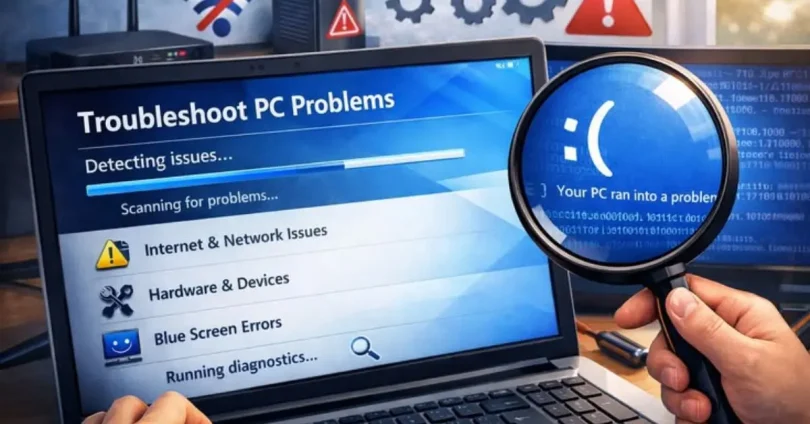
Computers have become an essential part of our daily lives, helping us work, study, communicate, and enjoy entertainment. However, even the most reliable desktop or laptop can develop technical issues over time. Slow performance, startup failures, internet connection problems, software crashes, overheating, and storage errors are some of the most common challenges users face. Understanding Common PC Problems and How to Fix Them can save you time, reduce repair costs, and help you keep your computer running efficiently. Whether you use your PC for work, school, gaming, or everyday tasks, learning basic troubleshooting skills is valuable for every user.
Many computer problems can be solved without professional assistance. Simple actions such as updating software, removing unnecessary files, scanning for malware, checking hardware connections, or restarting your system often resolve common issues quickly. This guide explains Common PC Problems and How to Fix Them using easy-to-follow steps suitable for beginners and intermediate users. You’ll also learn preventive maintenance techniques, practical troubleshooting methods, and expert recommendations to improve your computer’s performance and reliability. By following the advice in this guide, you can diagnose problems with confidence, extend your PC’s lifespan, and enjoy a smoother computing experience.
What is Common PC Problems and How to Fix Them?
Common PC Problems and How to Fix Them refers to identifying frequent computer issues and applying practical solutions to restore normal performance. Instead of immediately replacing hardware or paying for repairs, many problems can be resolved through basic troubleshooting and regular maintenance.
Some of the most common PC problems include:
- Slow computer performance
- Computer not starting
- Internet connection issues
- Software crashes
- Blue screen errors
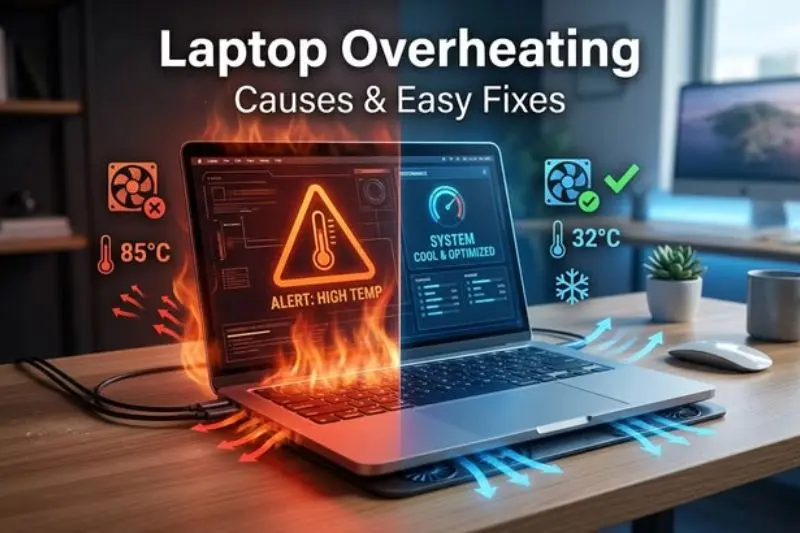
- Overheating
- Low storage space
- Virus and malware infections
- Printer connection problems
- Audio or display issues
Learning how to diagnose these problems helps users maintain a reliable and efficient computer.
Why is Common PC Problems and How to Fix Them Important?
Knowing how to troubleshoot computer problems provides several important benefits.
Saves Money
Many common issues can be solved without paying for professional repair services.
Reduces Downtime
Quick troubleshooting allows you to return to work or study faster.
Improves Performance
Regular maintenance helps your PC run faster and more efficiently.
Extends Hardware Life
Proper care reduces unnecessary wear on computer components.
Builds Technical Confidence
Basic troubleshooting skills make users more independent when dealing with everyday computer problems.
Detailed Step-by-Step Guide
Step 1: Restart Your Computer
Many temporary software issues disappear after restarting the system.
A restart clears temporary memory, closes background processes, and refreshes system resources. Before trying more advanced solutions, always restart your computer first.
Step 2: Check for Software Updates
Keeping your operating system and applications updated improves performance, stability, and security.
Install updates regularly for:
- Operating system
- Web browsers
- Antivirus software
- Device drivers
- Productivity applications
Updates often fix known bugs and compatibility issues.
Step 3: Free Up Storage Space
A nearly full hard drive can slow your computer significantly.
To recover storage space:
- Delete unnecessary files.
- Empty the Recycle Bin.
- Remove unused applications.
- Clear temporary files.
- Move large files to external storage if needed.
Maintaining sufficient free space helps your operating system perform efficiently.
Step 4: Scan for Viruses and Malware
Malicious software is a common cause of slow performance, unexpected pop-ups, and system instability.
Run a complete antivirus scan and remove any detected threats. Keep real-time protection enabled and update virus definitions regularly.
Step 5: Check Your Internet Connection
If websites load slowly or online services stop working:
- Restart your router.
- Verify Wi-Fi connectivity.
- Test another device.
- Check network cables.
- Restart your computer.
Many internet issues are resolved through simple network troubleshooting.
Step 6: Monitor Computer Temperature
Excessive heat can reduce performance and damage hardware.
Signs of overheating include:
- Loud fan noise
- Unexpected shutdowns
- Slow performance
- High system temperatures
Keep air vents clean and ensure proper airflow around your computer.
Step 7: Uninstall Unnecessary Programs
Too many installed applications consume storage and system resources.
Review your installed software regularly and remove programs you no longer use. This helps improve startup speed and overall system performance.
Step 8: Check Hardware Connections
Loose cables or improperly connected devices can cause unexpected problems.
Inspect connections for:
- Monitor cables
- Keyboard
- Mouse
- External drives
- Printer
- Network cables
- Power cables
Reconnect devices securely before assuming hardware failure.
Step 9: Update or Reinstall Device Drivers
Device drivers allow your operating system to communicate with hardware such as graphics cards, printers, keyboards, sound devices, and network adapters. Outdated or corrupted drivers can cause crashes, poor performance, or hardware malfunctions.
To fix driver-related problems:
- Check for driver updates regularly.
- Install drivers compatible with your operating system.
- Reinstall drivers if a device stops working.
- Restart your computer after updating drivers.
Keeping drivers up to date improves stability and ensures your hardware performs correctly.
Step 10: Back Up Your Data Regularly
Data loss can happen because of hardware failure, malware attacks, accidental deletion, or operating system issues. Creating regular backups protects your important files and reduces the impact of unexpected problems.
You can back up your data by:
- Using an external hard drive.
- Saving files on a USB flash drive.
- Creating scheduled backups.
- Organizing important documents into backup folders.
A reliable backup routine gives you peace of mind and makes recovering from serious computer problems much easier.
Benefits of Common PC Problems and How to Fix Them
Learning basic computer troubleshooting offers many advantages:
- Saves money on repair services.
- Reduces computer downtime.
- Improves overall system performance.
- Extends the lifespan of computer hardware.
- Helps identify problems quickly.
- Increases computer security.
- Reduces the risk of data loss.
- Builds confidence in handling technical issues.
- Improves productivity at work or school.
- Encourages regular computer maintenance.
Disadvantages / Risks
Although troubleshooting is helpful, there are some risks if it is done incorrectly:
- Incorrect settings may create additional problems.
- Deleting important files accidentally can affect system performance.
- Installing incompatible drivers may cause hardware issues.
- Ignoring backup procedures increases the risk of data loss.
- Opening computer hardware without experience may damage components.
- Delaying repairs for serious hardware failures can worsen the problem.
- Using unreliable software may introduce security risks.
- Poor maintenance habits can shorten the lifespan of the computer.
Understanding the problem before making changes helps reduce these risks.
Common Mistakes to Avoid
Avoid these common troubleshooting mistakes:
- Ignoring software updates.
- Installing programs from untrusted sources.
- Skipping antivirus scans.
- Allowing storage space to become completely full.
- Forgetting to back up important files.
- Ignoring warning messages and error notifications.
- Disconnecting devices while updates are installing.
- Blocking computer ventilation with dust or objects.
- Restarting repeatedly without identifying the actual problem.
- Waiting too long before addressing small issues.
Preventing these mistakes can keep your PC running smoothly for years.
Frequently Asked Questions (FAQs)
1. Why is my computer running slowly?
Slow performance is often caused by insufficient storage space, too many startup programs, outdated software, malware, or limited system memory. Regular maintenance usually improves speed.
2. How often should I update my computer?
Check for operating system, driver, and software updates regularly. Installing updates promptly helps improve security, compatibility, and overall performance.
3. What should I do if my computer won’t start?
First, check the power supply and cables. Restart the computer, disconnect unnecessary external devices, and look for any error messages. If the issue continues, additional troubleshooting or professional assistance may be required.
4. How can I protect my computer from viruses?
Install trusted antivirus software, keep it updated, avoid downloading files from unknown sources, and regularly scan your computer for threats.
5. Is overheating harmful to my computer?
Yes. Excessive heat can reduce performance and damage internal components over time. Keep cooling vents clean and ensure proper airflow around your computer.
6. Why is backing up my files important?
Backups protect your important documents, photos, videos, and other files from accidental deletion, hardware failure, malware attacks, or operating system problems.
Expert Tips & Bonus Points
Follow these expert recommendations to keep your PC in excellent condition:
- Restart your computer regularly.
- Keep your operating system updated.
- Remove unnecessary startup applications.
- Use strong passwords to improve security.
- Clean dust from air vents and cooling fans.
- Organize your files into clearly labeled folders.
- Scan for malware at least once each week.
- Keep at least 20% of your storage drive free.
- Back up important files on a regular schedule.
- Shut down your computer properly instead of forcing it to power off.
Developing these simple habits can significantly improve your computer’s performance and reliability.
Conclusion
Understanding Common PC Problems and How to Fix Them is an essential skill for every computer user. Most everyday issues, such as slow performance, internet connection problems, software crashes, overheating, or storage shortages, can be resolved with simple troubleshooting techniques and regular maintenance. Learning these basic skills not only saves time and money but also helps you use your computer more confidently.
Routine maintenance plays an important role in preventing many technical problems before they become serious. Keeping your operating system updated, removing unnecessary files, scanning for malware, checking hardware connections, and creating regular backups all contribute to a faster, safer, and more reliable computer. These simple practices can extend the lifespan of your device while improving productivity at home, school, or work.
By following the practical advice and troubleshooting steps in this guide, you can diagnose common computer issues, solve many problems independently, and reduce the need for costly repairs. A well-maintained PC delivers better performance, stronger security, and a smoother user experience. With consistent care and smart maintenance habits, your computer will remain dependable for years to come.