
Introduction
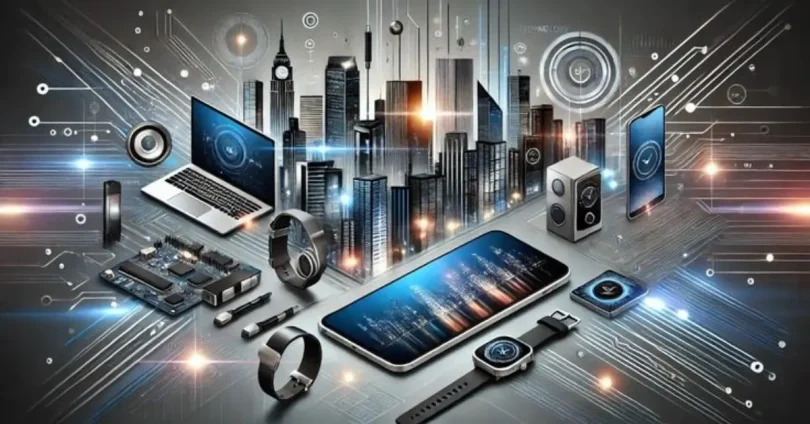
Technology is evolving faster than ever, and Upcoming Smart Devices and Innovations are transforming the way people live, work, travel, and communicate. From intelligent home appliances and wearable health trackers to smart vehicles and AI-powered assistants, modern technology is becoming more connected, efficient, and personalized. These innovations are designed to simplify everyday tasks while improving productivity, safety, and convenience.
Whether you are a technology enthusiast, a student, or someone simply curious about the future, understanding these innovations can help you stay ahead of the curve. Businesses are also adopting smart technologies to improve customer experiences, automate operations, and reduce costs. As internet connectivity, artificial intelligence, and the Internet of Things continue to advance, smart devices are becoming more affordable and accessible to people around the world. In this guide, you’ll learn what Upcoming Smart Devices and Innovations are, why they matter, their advantages and risks, practical ways to prepare for them, and expert insights into the exciting future of connected technology.
What are Upcoming Smart Devices and Innovations?
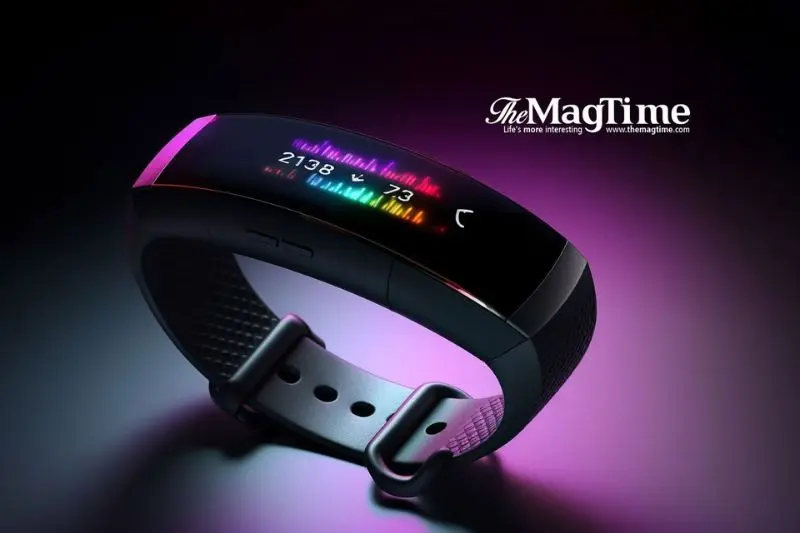
Upcoming Smart Devices and Innovations refer to the next generation of intelligent electronic products that use advanced technologies such as artificial intelligence (AI), machine learning, cloud computing, sensors, and the Internet of Things (IoT).
Unlike traditional gadgets, smart devices can collect data, learn user preferences, communicate with other devices, and automate tasks without constant human input.
Examples include:
- AI-powered smart home systems
- Advanced wearable fitness devices
- Smart glasses
- Autonomous delivery robots
- Intelligent kitchen appliances
- Smart healthcare monitoring devices
- Connected vehicles
- Home security systems with facial recognition
- Smart farming equipment
- Personal AI assistants
These technologies aim to make everyday life more efficient, secure, and comfortable.
Why are Upcoming Smart Devices and Innovations Important?
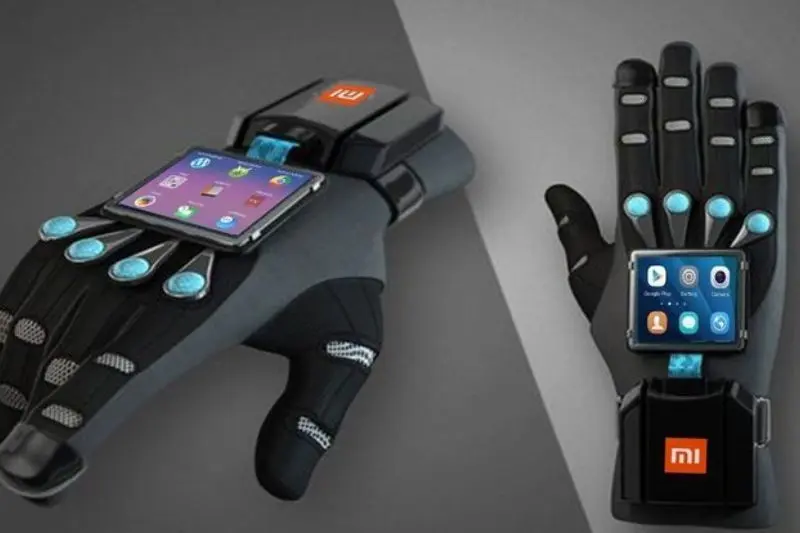
Smart technology is becoming an essential part of daily life rather than a luxury.
Here are some reasons why these innovations matter:
- Improve daily convenience through automation.
- Save time by reducing manual work.
- Increase energy efficiency.
- Enhance personal safety.
- Improve healthcare monitoring.
- Support remote work and education.
- Boost productivity for businesses.
- Create smarter and more sustainable cities.
- Enable better communication between connected devices.
- Improve accessibility for elderly and disabled individuals.
As technology continues to evolve, smart devices will become even more integrated into homes, workplaces, healthcare, transportation, and entertainment.
Step-by-Step Guide to Understanding Upcoming Smart Devices and Innovations
Step 1: Understand Smart Technology Basics
Before investing in smart devices, understand the technologies behind them.
Key technologies include:
- Artificial Intelligence
- Internet of Things (IoT)
- Cloud Computing
- Machine Learning
- Edge Computing
- 5G Connectivity
- Voice Recognition
- Automation Systems
Knowing these basics makes it easier to choose the right products.
Step 2: Explore Smart Home Devices
Smart homes continue to be one of the fastest-growing technology sectors.
Popular upcoming devices include:
- Smart lighting systems
- AI-powered thermostats
- Robot vacuum cleaners
- Smart refrigerators
- Intelligent washing machines
- Smart ovens
- Voice-controlled entertainment systems
- Automated curtains
- Smart water leak detectors
These devices reduce energy consumption while improving convenience.
Step 3: Discover Next-Generation Wearables
Wearable technology is expanding beyond fitness tracking.
Future wearable devices may include:
- Advanced smartwatches
- Smart rings
- AI-powered earbuds
- Health-monitoring patches
- Smart clothing
- Sleep tracking devices
- Blood pressure monitoring wearables
- Non-invasive glucose monitoring devices
These products help users monitor their health continuously.
Step 4: Learn About Smart Healthcare Innovations
Healthcare technology is becoming more intelligent every year.
Upcoming innovations include:
- Remote patient monitoring
- AI-assisted diagnostics
- Portable medical scanners
- Smart inhalers
- Digital medication reminders
- Robotic surgery assistance
- Intelligent rehabilitation devices
These technologies improve healthcare accessibility while reducing costs.
Step 5: Explore Smart Transportation
Transportation is undergoing significant changes.
Future innovations include:
- Electric autonomous vehicles
- AI-powered traffic management
- Smart parking systems
- Self-driving delivery robots
- Connected public transportation
- Drone deliveries
- Vehicle-to-vehicle communication
These technologies aim to reduce traffic congestion and improve road safety.
Step 6: Understand Smart Workplace Technologies
Businesses are rapidly adopting intelligent devices.
Examples include:
- AI meeting assistants
- Smart conference rooms
- Automated inventory systems
- Intelligent security cameras
- Smart office lighting
- Collaborative digital workspaces
- Predictive maintenance systems
These innovations improve productivity while reducing operational costs.
Step 7: Watch Emerging Consumer Electronics
Several exciting gadgets are expected to become mainstream.
Examples include:
- Foldable smart devices
- Mixed reality headsets
- AI-powered laptops
- Smart projectors
- Portable AI translators
- Intelligent personal robots
- Smart mirrors
- Voice-controlled kitchen assistants
These devices offer more personalized experiences than traditional electronics.
Step 8: Prepare for Privacy and Security
Every smart device collects some level of data.
Protect yourself by:
- Using strong passwords.
- Enabling two-factor authentication.
- Updating device software regularly.
- Securing your Wi-Fi network.
- Reviewing privacy settings.
- Buying trusted products.
- Avoiding unknown applications.
Security should always be a priority.
Step 9: Stay Updated with Future Innovations
Technology evolves rapidly.
Stay informed by:
- Following technology news.
- Watching product launches.
- Reading product reviews.
- Comparing features before purchasing.
- Learning basic digital security.
- Exploring new innovations responsibly.
Continuous learning helps you make smarter purchasing decisions.
Benefits of Upcoming Smart Devices and Innovations
Some major advantages include:
- Improved convenience in daily life
- Better energy efficiency
- Enhanced home security
- Faster communication
- Increased workplace productivity
- Better health monitoring
- Personalized user experiences
- Reduced operational costs
- Greater automation
- Smarter transportation
- Time-saving features
- Increased accessibility
- Improved entertainment experiences
- Better environmental sustainability
- Enhanced decision-making through data
Disadvantages / Risks
Like any technology, smart devices also have challenges.
- Privacy concerns
- Cybersecurity threats
- High initial costs
- Internet dependency
- Compatibility issues
- Frequent software updates
- Short product life cycles
- Electronic waste
- Learning curve for beginners
- Potential technical failures
Understanding these risks helps users make informed decisions.
Common Mistakes to Avoid
Many first-time buyers make avoidable mistakes.
Avoid these common errors:
- Buying devices without checking compatibility.
- Ignoring software updates.
- Using weak passwords.
- Purchasing unnecessary gadgets.
- Overlooking privacy policies.
- Not comparing different products.
- Forgetting warranty coverage.
- Connecting too many devices to unsecured networks.
- Ignoring battery maintenance.
- Focusing only on price instead of long-term value.
Planning carefully leads to better investments.
FAQs
1. What are smart devices?
Smart devices are electronic products that connect to the internet or other devices, allowing them to automate tasks, collect information, and improve user experiences.
2. Which industries benefit the most from smart innovations?
Healthcare, education, transportation, manufacturing, retail, agriculture, logistics, and home automation are among the biggest beneficiaries.
3. Are smart devices expensive?
Prices vary widely. While premium products can be costly, many affordable smart devices now offer excellent value for everyday users.
4. Are smart homes secure?
Smart homes can be very secure when users keep software updated, use strong passwords, enable encryption, and choose reliable manufacturers.
5. Will smart devices replace human jobs?
Some repetitive tasks may become automated, but smart technology also creates new opportunities in engineering, software development, cybersecurity, maintenance, and customer support.
6. What should beginners buy first?
A smart speaker, smart lighting system, smart plug, or wearable fitness tracker are excellent starting points because they are easy to install and provide immediate benefits.
Expert Tips & Bonus Points
Follow these recommendations to get the most from Upcoming Smart Devices and Innovations:
- Start with one or two smart devices before expanding.
- Invest in products from trusted brands.
- Keep firmware updated regularly.
- Use secure Wi-Fi networks.
- Enable automatic backups whenever possible.
- Choose energy-efficient devices.
- Compare long-term maintenance costs.
- Read customer reviews before purchasing.
- Prioritize devices with strong privacy controls.
- Build a connected ecosystem gradually instead of buying everything at once.
- Learn basic troubleshooting to save time and money.
- Consider future compatibility before upgrading your home or office.
Technology changes quickly, so buying scalable and update-friendly devices is often the smartest long-term strategy.
Conclusion
The future of technology is being shaped by Upcoming Smart Devices and Innovations, which are making everyday life smarter, safer, and more efficient. From intelligent homes and wearable health monitors to connected transportation and automated workplaces, these innovations are changing how people interact with technology. As artificial intelligence, cloud computing, and IoT continue to evolve, smart devices will become even more capable, affordable, and accessible. Understanding how these technologies work allows individuals and businesses to make informed decisions while preparing for a more connected digital future.
Although challenges such as privacy concerns, cybersecurity risks, and initial costs remain, the long-term advantages of smart technology are substantial. By choosing reliable products, maintaining good digital security practices, and staying informed about emerging trends, users can enjoy the benefits of innovation while minimizing potential risks. As technology continues to advance, embracing Upcoming Smart Devices and Innovations thoughtfully will help people improve productivity, enhance convenience, and create smarter homes, healthier lifestyles, and more efficient workplaces. The future is not just about owning new gadgets—it is about using intelligent technology to make everyday life simpler, more sustainable, and more connected.