
Introduction
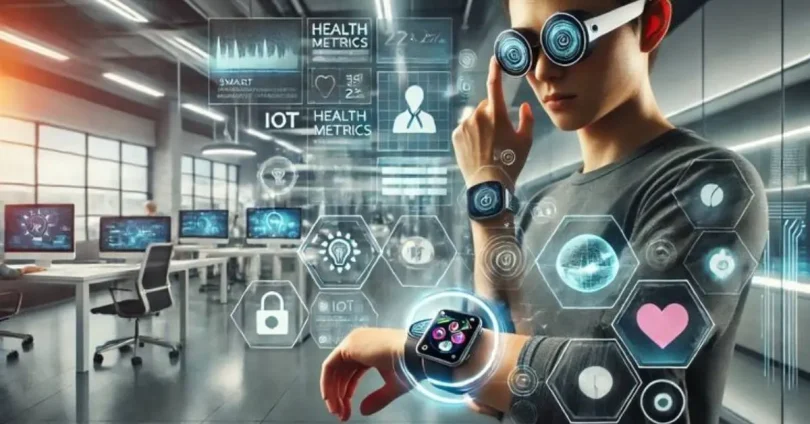
Wearable technology trends are transforming the way people interact with technology in their daily lives. From smartwatches and fitness trackers to smart rings and augmented reality glasses, wearable devices are becoming more advanced, accurate, and user-friendly every year. These innovative gadgets do much more than display notifications—they monitor health, improve productivity, enhance fitness, and even support workplace safety. As technology continues to evolve, wearables are becoming an essential part of modern lifestyles for people of all ages.
Today, wearable technology is no longer limited to fitness enthusiasts or tech lovers. Students, professionals, athletes, healthcare providers, and even senior citizens are benefiting from these smart devices. New advancements in artificial intelligence, biometric sensors, and wireless connectivity are making wearable devices more intelligent and reliable than ever before. Understanding wearable technology trends helps beginners and intermediate users make informed decisions when choosing devices that match their personal and professional needs while preparing for the exciting future of connected living.
What is Wearable Technology Trends?
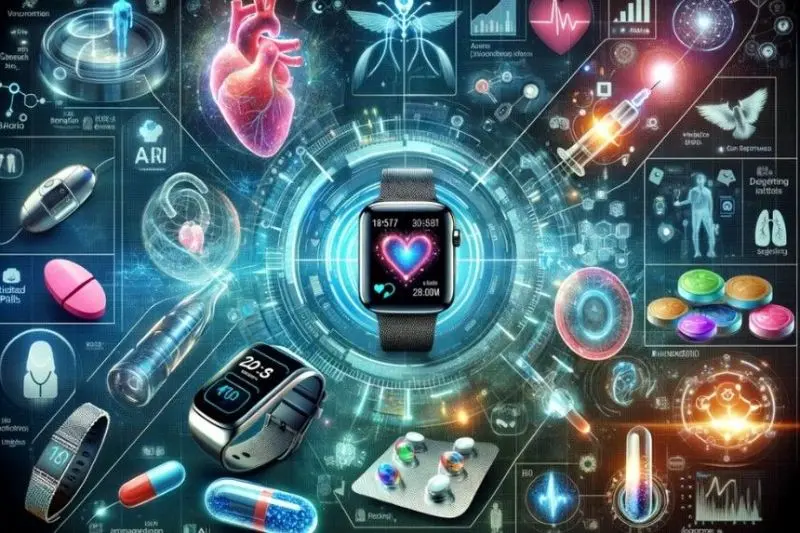
Wearable technology trends refer to the latest developments, innovations, and improvements in electronic devices that users can wear on their bodies. These devices collect real-time information, provide instant feedback, and connect seamlessly with smartphones, computers, and cloud services.
Common wearable devices include:
- Smartwatches
- Fitness trackers
- Smart rings
- Smart glasses
- Smart clothing
- Health monitoring devices
- Wireless earbuds
- Virtual reality (VR) headsets
- Augmented reality (AR) glasses
Modern wearables combine sensors, software, wireless communication, and artificial intelligence to provide personalized experiences.
Why is Wearable Technology Important?
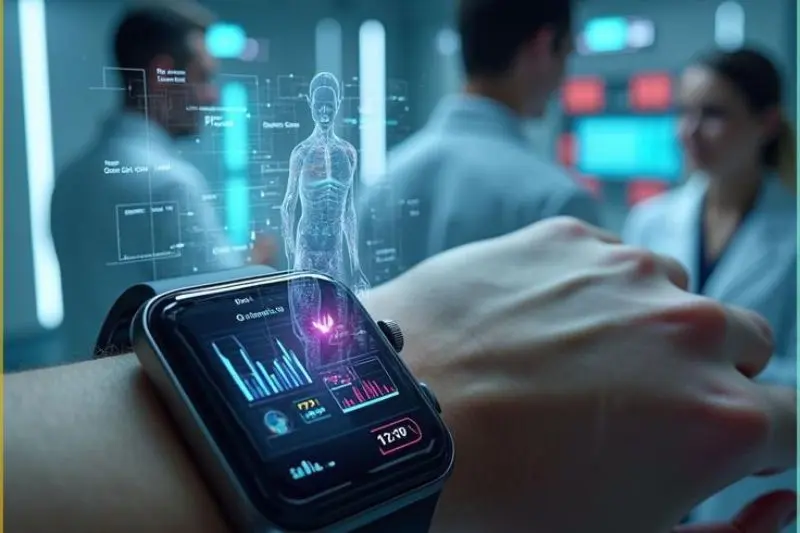
Wearable technology continues to grow because it solves real-world problems while improving convenience and efficiency.
Here are several reasons why wearable technology is becoming increasingly important:
- Helps monitor personal health in real time.
- Encourages healthier lifestyles.
- Improves fitness tracking accuracy.
- Increases workplace safety.
- Supports remote healthcare monitoring.
- Enhances productivity.
- Makes communication faster and easier.
- Provides instant notifications.
- Offers emergency assistance during accidents.
- Integrates with smart home systems.
As technology advances, wearable devices are becoming smarter, smaller, and more affordable.
Step-by-Step Guide to Understanding Wearable Technology Trends
Step 1: Learn About Different Types of Wearables
The first step is understanding the various wearable devices available today.
Popular categories include:
Smartwatches
Smartwatches are among the most widely used wearable devices. They allow users to:
- Check notifications
- Make calls
- Track workouts
- Measure heart rate
- Monitor sleep
- Use GPS navigation
- Make contactless payments
Fitness Trackers
Fitness bands focus on health and exercise.
They commonly track:
- Daily steps
- Calories burned
- Heart rate
- Distance traveled
- Sleep quality
- Workout performance
Smart Rings
Smart rings are becoming increasingly popular due to their compact design.
They can monitor:
- Sleep
- Stress
- Heart rate
- Body temperature
- Oxygen levels
Smart Glasses
Smart glasses display digital information directly in front of the user’s eyes.
They are used for:
- Navigation
- Remote work
- Training
- Video recording
- Augmented reality experiences
Smart Clothing
Smart clothing contains built-in sensors that monitor body movements and health metrics.
Examples include:
- Smart shirts
- Smart shoes
- Heated jackets
- Biometric sportswear
Step 2: Understand Health Monitoring Innovations
Health monitoring is one of the biggest wearable technology trends today.
Modern devices now measure:
- Heart rate
- Blood oxygen (SpO2)
- ECG
- Stress levels
- Skin temperature
- Respiratory rate
- Sleep stages
- Menstrual cycle tracking
Many devices can even detect abnormal heart rhythms and alert users before symptoms become serious.
Step 3: Explore Artificial Intelligence Integration
Artificial intelligence has significantly improved wearable technology.
AI helps devices:
- Analyze health data
- Predict potential health risks
- Recommend workouts
- Improve sleep quality
- Detect unusual activity
- Provide personalized coaching
Instead of simply collecting data, wearable devices now interpret information to provide meaningful recommendations.
Step 4: Discover Smart Fitness Features
Fitness wearables continue to evolve with advanced features.
Current innovations include:
- Automatic workout detection
- Personalized training plans
- Recovery analysis
- Running efficiency metrics
- Cycling performance tracking
- Swimming recognition
- Strength training analysis
These features help users exercise more effectively.
Step 5: Learn About Medical Wearables
Healthcare is one of the fastest-growing sectors using wearable technology.
Medical wearables assist in monitoring:
- Diabetes
- Blood pressure
- Heart conditions
- Sleep disorders
- Chronic illnesses
Doctors can remotely monitor patients using wearable health devices, reducing unnecessary hospital visits.
Step 6: Understand Workplace Wearables
Businesses increasingly use wearable technology for employee safety and productivity.
Examples include:
- Smart helmets
- Safety vests
- Location trackers
- Fatigue monitoring devices
- Smart ID badges
These tools improve safety while reducing workplace accidents.
Step 7: Explore Augmented Reality and Virtual Reality Wearables
AR and VR devices are expanding beyond gaming.
Industries using them include:
- Education
- Manufacturing
- Healthcare
- Architecture
- Military training
- Retail
- Remote collaboration
These wearable technologies create immersive digital experiences.
Step 8: Follow Future Wearable Technology Trends
The future promises exciting innovations such as:
- Flexible displays
- AI-powered health assistants
- Non-invasive glucose monitoring
- Smart contact lenses
- Brain-computer interfaces
- Energy-harvesting wearables
- Advanced biometric authentication
- Emotion detection technology
These developments will make wearable devices even more intelligent and useful.
Benefits of Wearable Technology Trends
Wearable technology offers numerous advantages across different aspects of life.
- Improves overall health awareness
- Encourages regular physical activity
- Tracks sleep quality
- Detects early health issues
- Provides emergency alerts
- Enhances productivity
- Simplifies communication
- Supports remote healthcare
- Offers personalized fitness guidance
- Increases workplace safety
- Enables hands-free operation
- Improves navigation
- Helps manage stress
- Integrates with smart home devices
- Saves valuable time
Disadvantages / Risks
Despite their benefits, wearable devices also have limitations.
- Privacy concerns regarding personal data
- High cost of premium devices
- Battery life limitations
- Possible data inaccuracies
- Frequent software updates
- Device compatibility issues
- Risk of overdependence on technology
- Potential cybersecurity threats
- Subscription fees for advanced features
- Comfort issues during long-term use
Understanding these risks helps users make smarter purchasing decisions.
Common Mistakes to Avoid
Many users fail to maximize their wearable devices because of common mistakes.
Avoid these errors:
- Buying a device without identifying your needs.
- Ignoring software updates.
- Not enabling health monitoring features.
- Expecting medical-grade accuracy from consumer devices.
- Forgetting to calibrate fitness settings.
- Wearing the device incorrectly.
- Ignoring battery maintenance.
- Not reviewing privacy settings.
- Focusing only on appearance instead of features.
- Purchasing incompatible devices.
Proper setup ensures the best user experience.
FAQs
1. What are wearable technology trends?
Wearable technology trends refer to the latest advancements in smart devices worn on the body, including smartwatches, fitness trackers, smart rings, and health-monitoring gadgets designed to improve convenience, health, and productivity.
2. Which wearable device is best for beginners?
A smartwatch or fitness tracker is usually the best starting point because it offers health tracking, notifications, workout monitoring, and easy smartphone integration without requiring advanced technical knowledge.
3. Are wearable devices accurate?
Most modern wearable devices provide reliable estimates for fitness and health metrics. However, they should not replace professional medical equipment or advice for diagnosing health conditions.
4. How does wearable technology improve healthcare?
Wearables continuously monitor important health indicators, allowing users and healthcare professionals to identify potential issues early, track chronic conditions, and support remote patient care.
5. Are wearable devices secure?
Most manufacturers include encryption and security features, but users should enable two-factor authentication, install updates, and carefully manage privacy settings to protect personal information.
6. What is the future of wearable technology?
The future includes smarter AI integration, advanced health monitoring, flexible displays, smart contact lenses, non-invasive medical sensors, and more personalized user experiences.
Expert Tips & Bonus Points
Follow these expert recommendations to get the most from wearable devices:
- Choose a wearable based on your lifestyle rather than popularity.
- Keep software updated regularly.
- Enable emergency health features.
- Review health reports weekly instead of obsessing over daily numbers.
- Protect your data with strong passwords.
- Clean sensors regularly for accurate readings.
- Pair devices with trusted applications only.
- Use battery optimization settings.
- Explore advanced features after mastering basic functions.
- Compare long-term software support before purchasing.
Bonus Tip:
Instead of buying the most expensive wearable, select one that offers the features you will actually use every day. Practical functionality often provides better value than premium specifications.
Conclusion
Wearable technology trends are rapidly shaping the future of personal health, communication, productivity, and digital experiences. From simple fitness trackers to sophisticated medical wearables and smart glasses, these devices continue to become more intelligent, accurate, and accessible. Their ability to monitor health, provide personalized insights, and integrate with everyday life makes them valuable tools for both individuals and businesses. As innovation accelerates, wearable technology will play an even greater role in helping people live healthier, safer, and more connected lives.
For beginners and intermediate users, now is an excellent time to explore wearable devices that match personal goals and daily routines. Whether you want to improve fitness, monitor your health, stay connected, or enhance workplace efficiency, understanding wearable technology trends allows you to make informed decisions and maximize the benefits of modern technology. By choosing the right device, protecting your data, and using features wisely, you can enjoy the full potential of wearable technology while preparing for the next generation of smart innovations.